
Written by Skyline Envision
Trade shows are full of energy, competition, and tight spaces. For many businesses, standing out in a sea of banners, voices, and stalls is not as simple as hanging a good-looking sign. A smart exhibition booth design is about more than visual appeal. It is about how a space feels when someone walks by and what invites them to step inside rather than walk past.
Plenty of first-timers and even second-timers learn these lessons the hard way. The booth looked impressive in photos but did not quite connect on the show floor. That is where experience helps.
Over the years, we have picked up a few things most brands do not realise until their second or third event. Here are five booth design tips that exhibitors often wish they had known from the start.
Making Space Count in a Small Booth
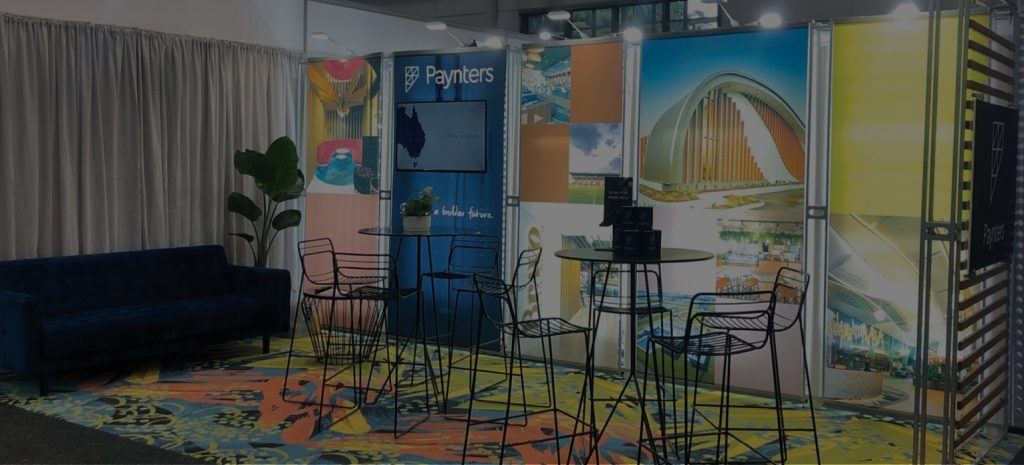
The more crowded the venue, the more your booth layout matters. When space is limited, choosing what to leave out is as important as what to bring. A booth loaded with tables, banners, flyers, and giveaways can create a barrier, pushing people away rather than pulling them in. People rarely push through clutter to ask a question or start a conversation—they simply keep walking.
A design that breathes works best. Leave room for someone to enter, move, and have a quick look around. Skip placing big furniture up front. Let visuals and clear signage make the main impact, rather than putting too much weight on counters or bulky props.
Two of the main ways booths get clogged are poor placement of furniture and using oversized structures. Keep display elements light and easy to move, and always check how much space you are actually allowed on each side. Even a small shift in placement can affect flow, especially if you are close on metres.
One way to stay flexible is to use portable counters and backwalls, which are common at events and are designed in a way that you breeze through a DIY set-up with no tools required.
Your Display Should Work from Every Angle
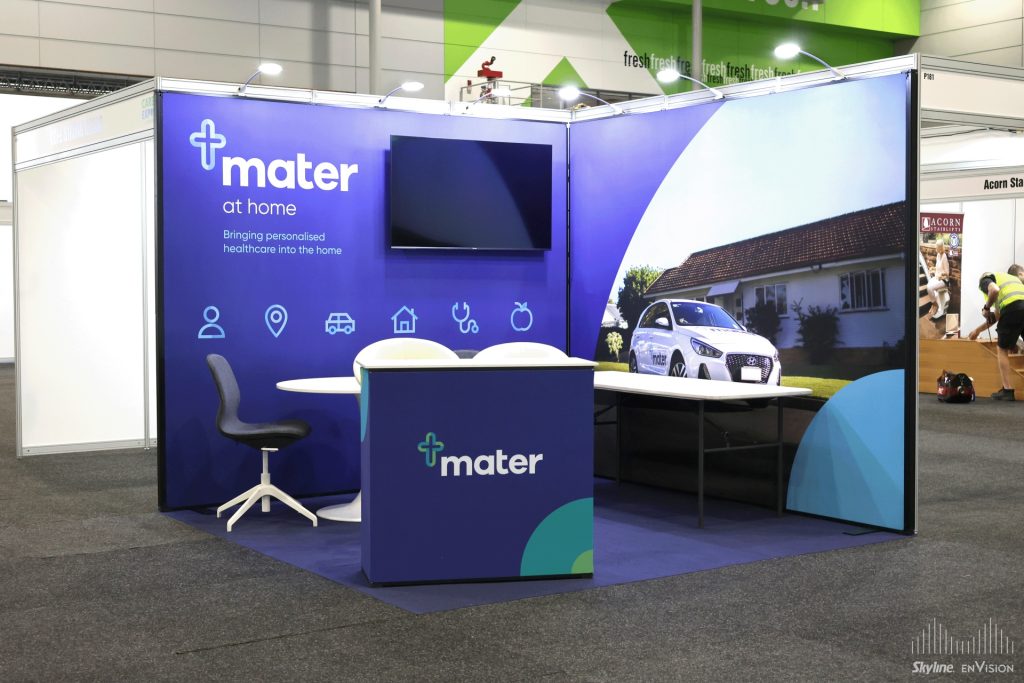
People approach your space from every direction, not just the front. In packed expo halls, attendees walk by from all sides, and if all they see is the back of your signage, your window for first impressions shuts before it begins.
Design in 360. Every side of the booth should work, even if it only shows off brand colours or a quick, clear message that connects on the fly. Logos should be visible above the usual sight line or lifted just high enough to stay in view from further down the aisle.
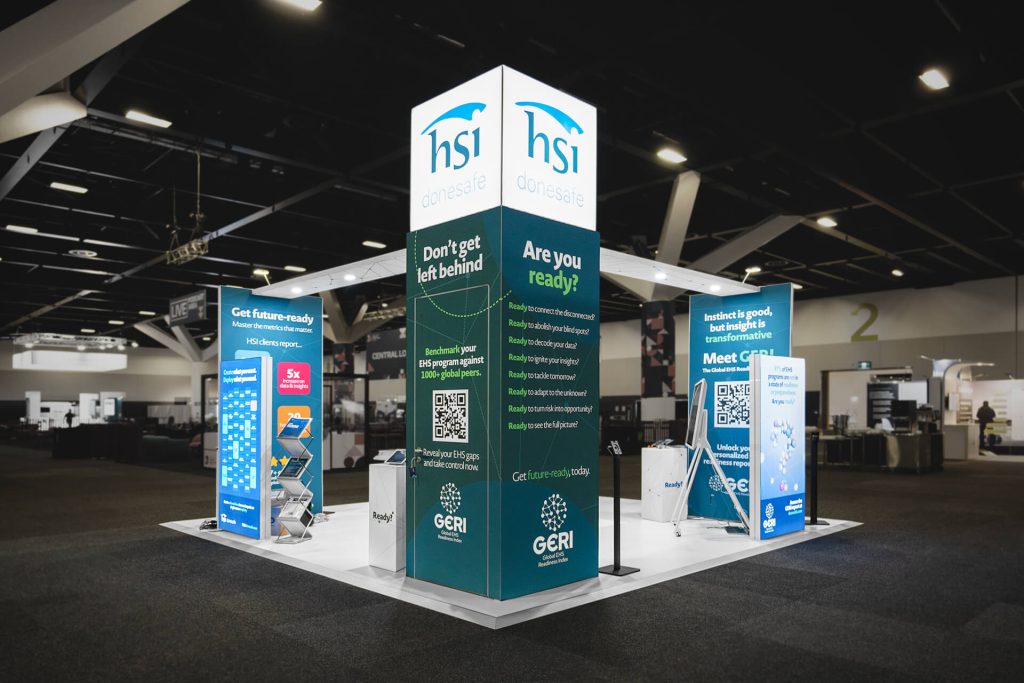
Using vertical features like towers or hanging signs lets you reach new heights without filling up the floor. This works especially well in crowded venues, where every centimetre counts. Many brands operating in small stands use modular displays that can be extended upward or rearranged depending on the booth’s location on the floor.
Going up with your messaging helps you stand out in a packed show, whether your booth is tucked on a corner or in a busy row.
Lighting Isn’t Just for Looks
Lighting is easy to overlook, but it has more influence than just making things look brighter. Many booths rely on the venue’s standard lights, and that can mean harsh shadows or colours that are different from what you intended. Graphics lose their punch, products blend into the background, and your stand can look washed out compared to others nearby.
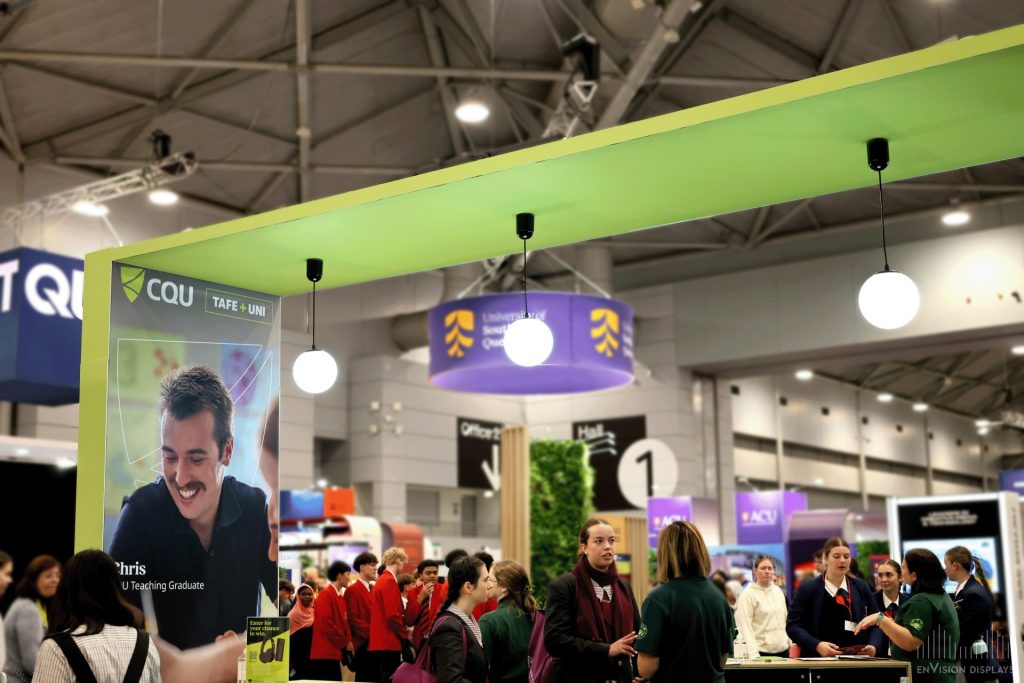
Good lighting uses direction and colour to draw attention where you want it. A simple downlight above your main sign, soft LEDs on a product shelf, or a warm glow across a printed wall create focal points and set the feel of your space.
Event venue’s often switch between daylight, indoor lighting, and even mood lighting at night, so picking versatile lighting can help your booth stay consistent. Many exhibition booth design systems come with track lighting or clip-on spotlights—these are quick to install and easy to adjust.
Interactive Doesn’t Need to Be Complicated
There is a common idea that tech needs to be big to get visitors involved. That just is not true. The best exhibition booth designs use simple tools that invite interaction, without crowding your space or your to-do list.
Consider tablets with quick surveys or demos, or printed QR codes linking to digital product details. These options work even when the floor is too busy for a full chat. Visitors can take away details, enter competitions, or jump into a contact form, all in less than a minute.
Battery-powered devices and compact screens are handy, especially with tight power access at venues. You do not need a huge screen or stage. Simple, well-placed options do the trick and help guests act fast.
Start with a Plan and Stick to It
Real prep is having a plan for how every piece falls into place the moment you land at the venue. Rushing setup will often leave you with last-minute layout tweaks, missing items, or a booth that just does not fit like it did on the sketch.
Draft a clear layout early. Mark where main conversations will happen, spot your key graphics, and make sure the core message is clear from a distance. Will passersby know what you do in a few seconds? Can you assemble it smoothly, with no guessing games?
One point seasoned exhibitors raise over and over is dry run time. Building and packing the space ahead of the event means where you run into problems, you fix them before the stress hits. Some supplier kits include built-in assembly guides and labelled parts to reduce confusion and save time on show day.
A little extra prep can make the difference between a smooth experience and a rough one, especially with spring events when time is always tight.
Final Touches That Make All the Difference
The booths that work best are rarely the flashiest. Instead, it is the way every part fits together that makes conversations flow and interest build. A great exhibition booth design is about more than the single biggest sign or the brightest feature. It is how well layout, movement, light, and messaging come together.
If your space feels easy to enter, move through, and interact with, you have already done more than most first-timers. Layout matters, but so do simple things like flexible furniture, high-quality signage, and a short prep checklist. When floors begin to fill, those small, thoughtful choices will set your brand up for more leads and stronger conversations.
With these five tips, every company has the tools to step into their next trade event with confidence. The best advice often comes from hard-won lessons, but planning ahead makes all the difference before the doors ever open.