So you've locked in your spot at an upcoming expo, and now someone's asking: "What size stand do we need?" Cue the Google search that landed you here.
It's a fair question, and honestly, one of the first big decisions you'll make when planning a trade show appearance. Too small, and you're squeezed into a space that can't do your brand justice. Too big, and you're paying for square metres nobody ends up using. Somewhere in between is the sweet spot, and getting there starts with understanding what the standard sizes actually mean.
You've probably already seen terms like 3x3 and 6x3 exhibition stands thrown around. Let's break down what they mean in real terms, who they suit, and how to figure out which one's right for you.
First, What Do These Numbers Even Mean?
Nothing complicated here ! Exhibition stand sizes are just width x depth, in metres. A 3x3 exhibition stand is 3 metres wide by 3 metres deep, for a total of 9 square metres. A 6x3 exhibition stand doubles that width to 6 metres, giving you 18 square metres to play with. These aren't random figures either. Most Australian convention centres and expo venues sell floor space in these exact modules, which is why stand builders design around them. Knowing this upfront makes budgeting and planning a whole lot easier.
The 3x3: Small Footprint, Still Makes an Impression
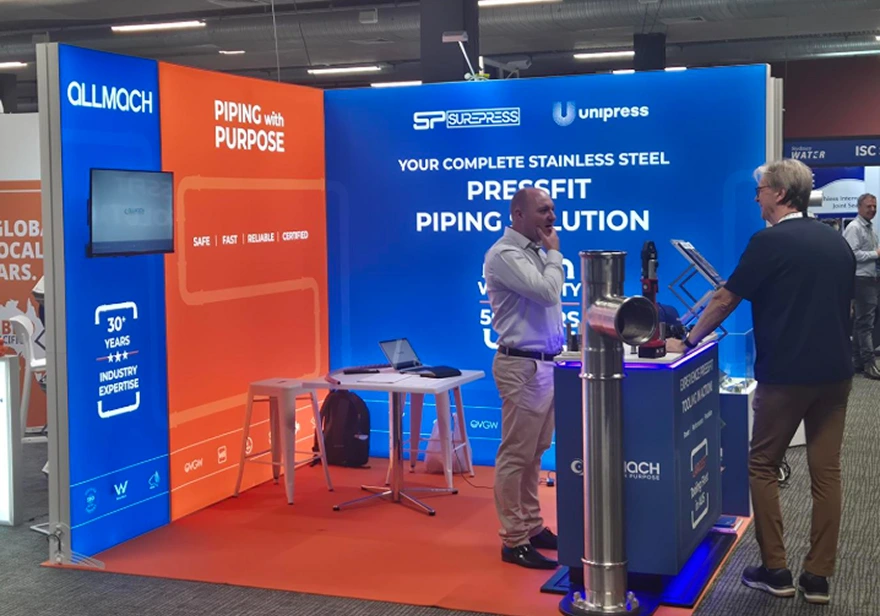
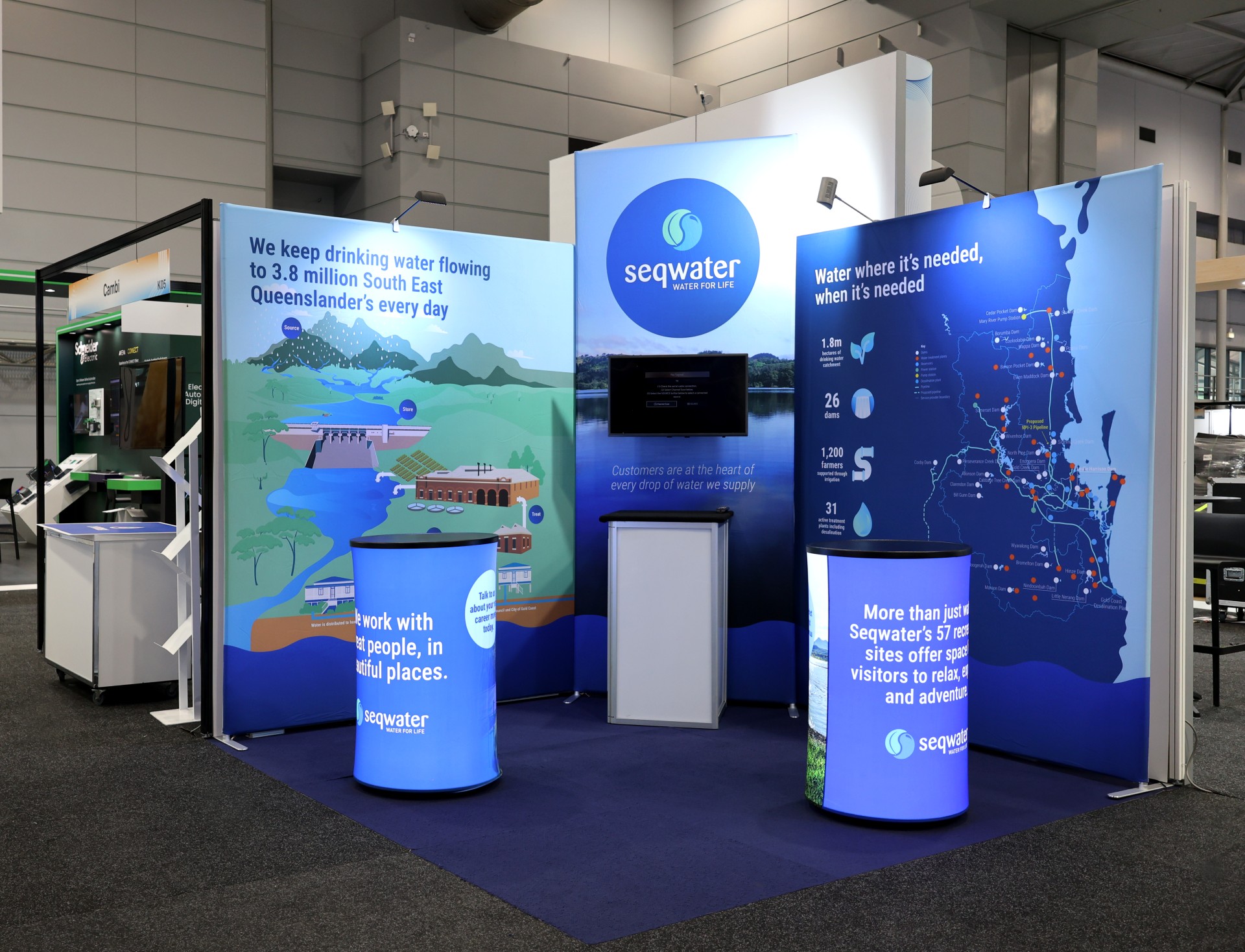
If you've walked an expo floor, you've seen dozens of these. The 3x3 is the bread and butter of trade show stands, and there's a good reason it's so popular.
It tends to suit:
- First-time exhibitors dipping a toe into a new event
- Small to medium businesses with a tight, focused offering
- A team of one to three people working the stand
- Events where the goal is conversations and lead generation, not a full product showroom
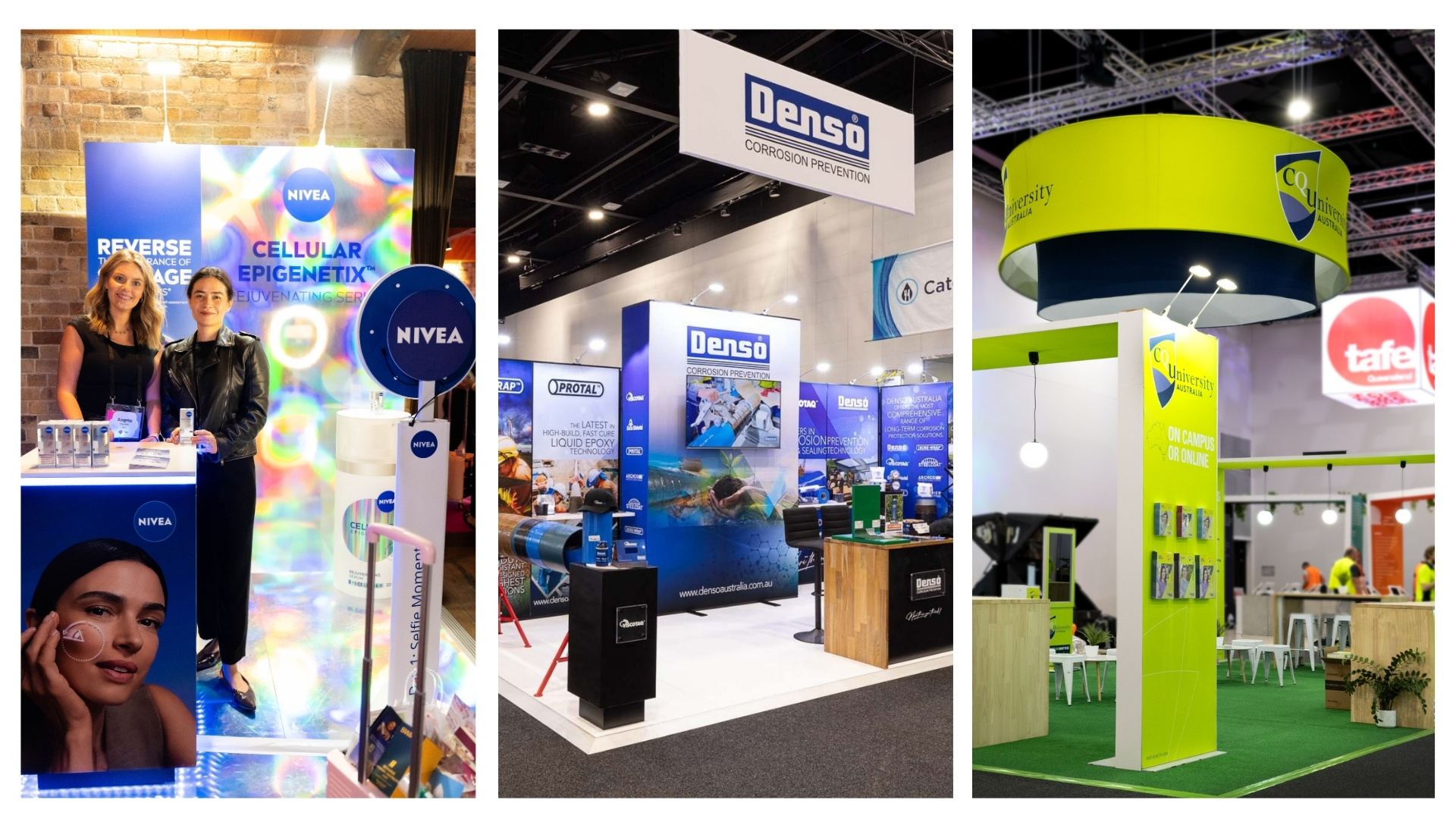
Even in 9 square metres, you can fit a lot: a branded media wall, a small reception counter, a screen for demos, maybe some shelving for literature or product. The trick with a 3x3 is discipline, every element earns its place, because there's no room for clutter.
What you're really paying for here is a clean, professional presence without splashing out on space you'll never fill.
The 6x3: More Room to Actually Do Something
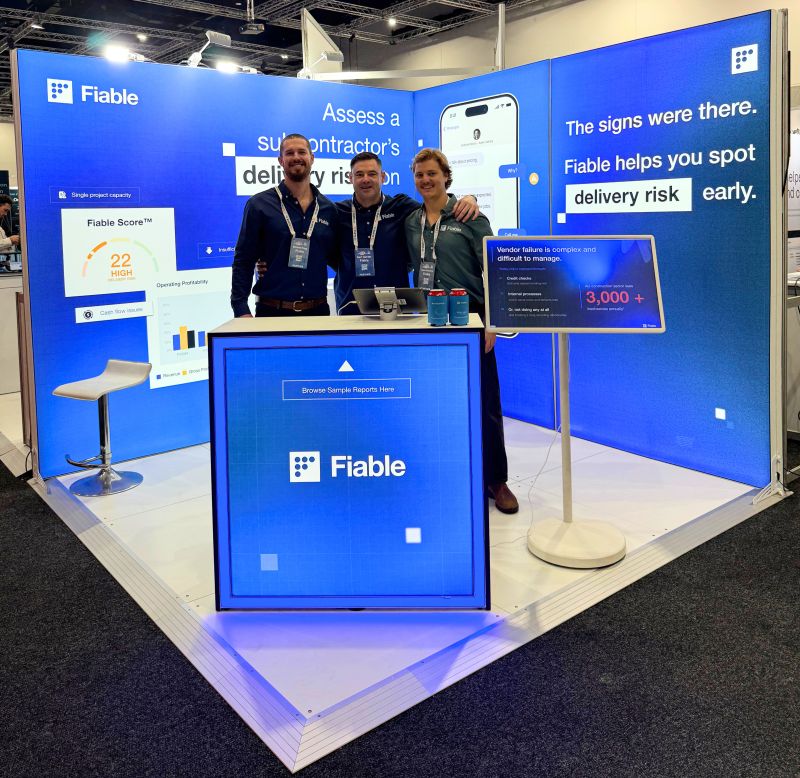
Double the footprint, and suddenly you've got options. A 6x3 exhibition stand gives you real flexibility in layout, what you can showcase, and how many people can be on the stand at once.
It's a strong fit if:
- You're an established brand wanting more visual weight on the floor
- You need space for live demos or product displays
- You've got a team of three to six working the stand
- You want somewhere semi-private to actually sit down with a client
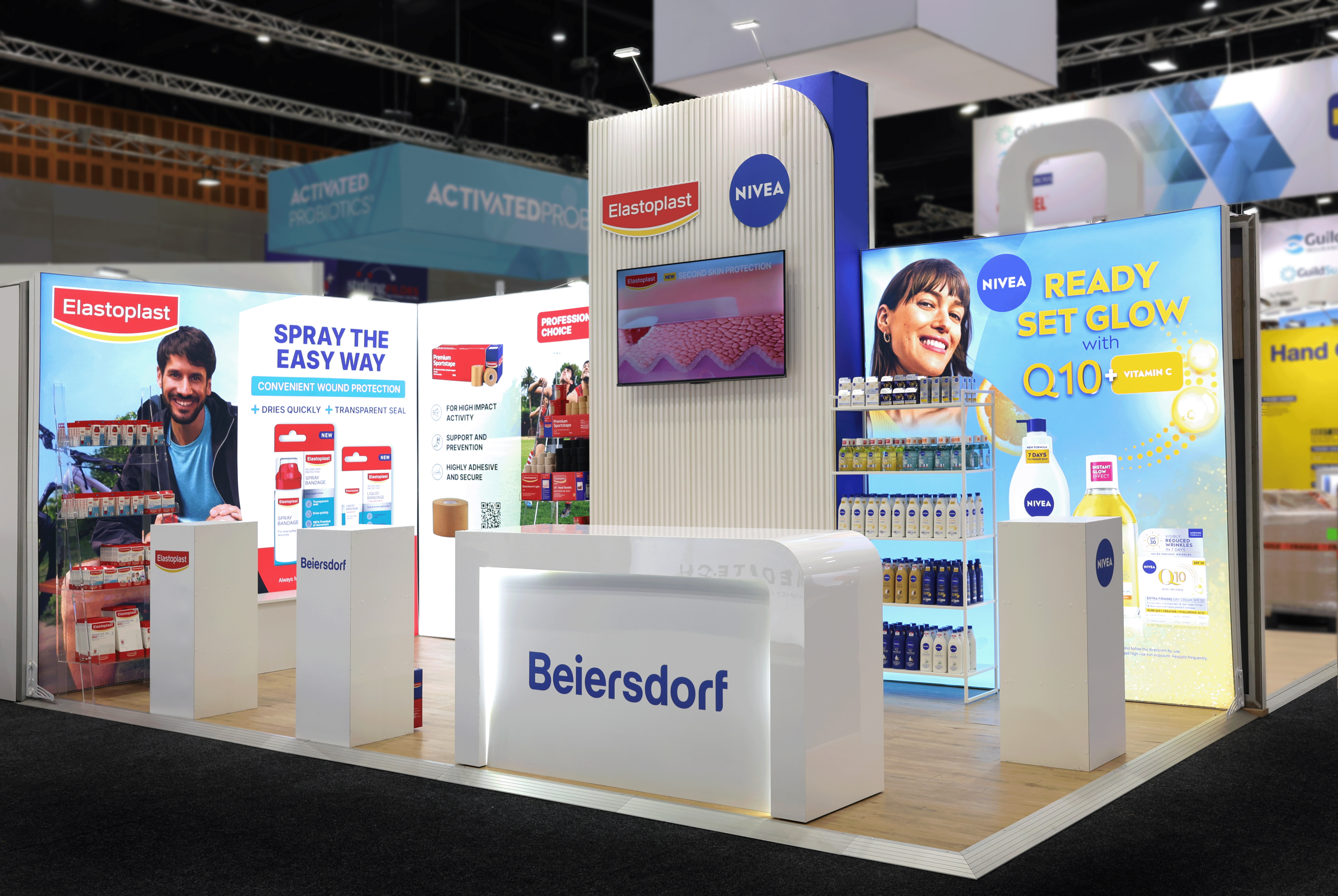
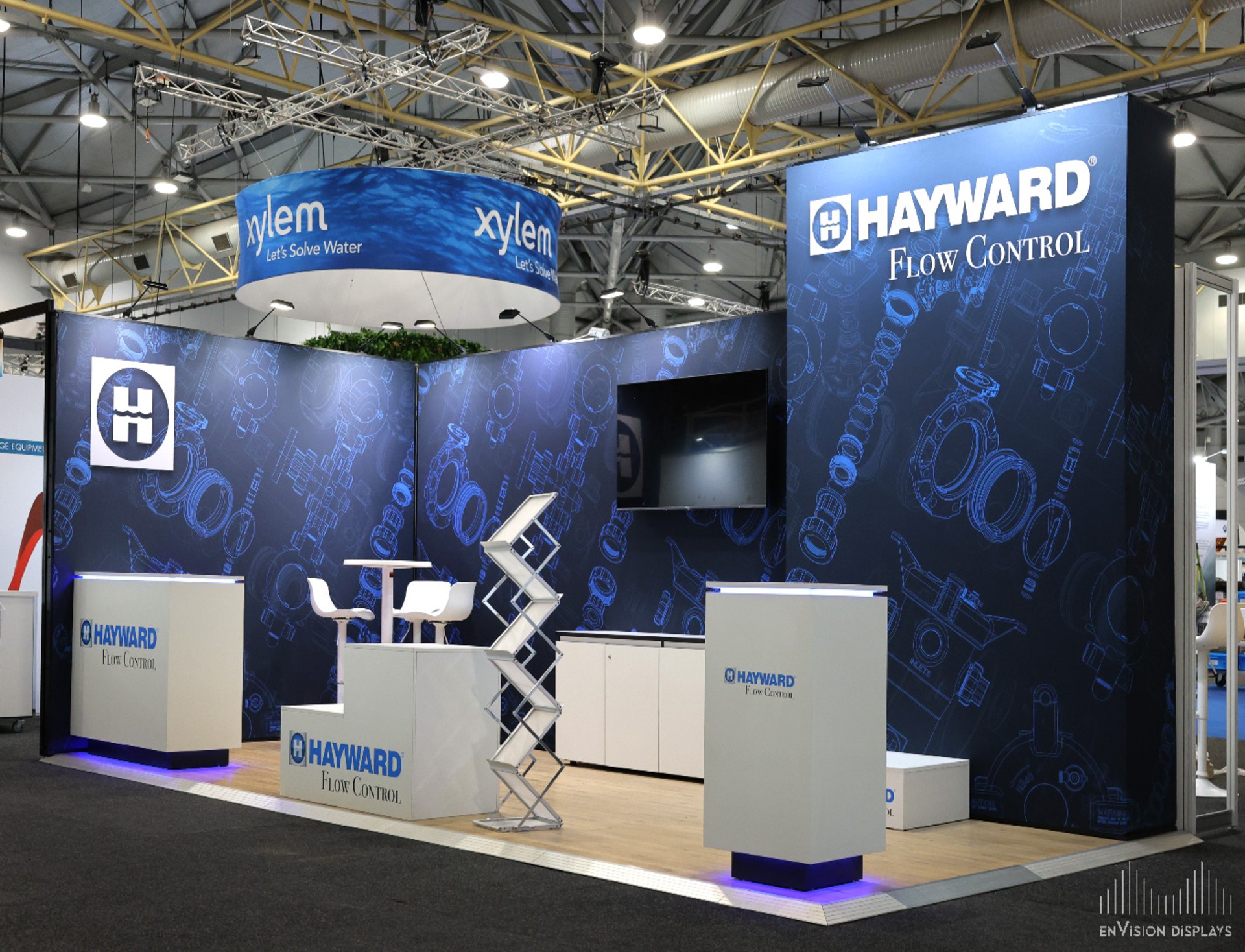
With 18 square metres, you can run a full-width graphics backdrop, set up multiple zones (say, one for demos and one for conversations), and this is the one people always forget actually has storage. Running out of storage mid-event is one of the most common (and avoidable) headaches exhibitors face.
You've also got more room to get creative with structural hanging signage, raised flooring, even a partial custom build, because there's enough space for these features to breathe.
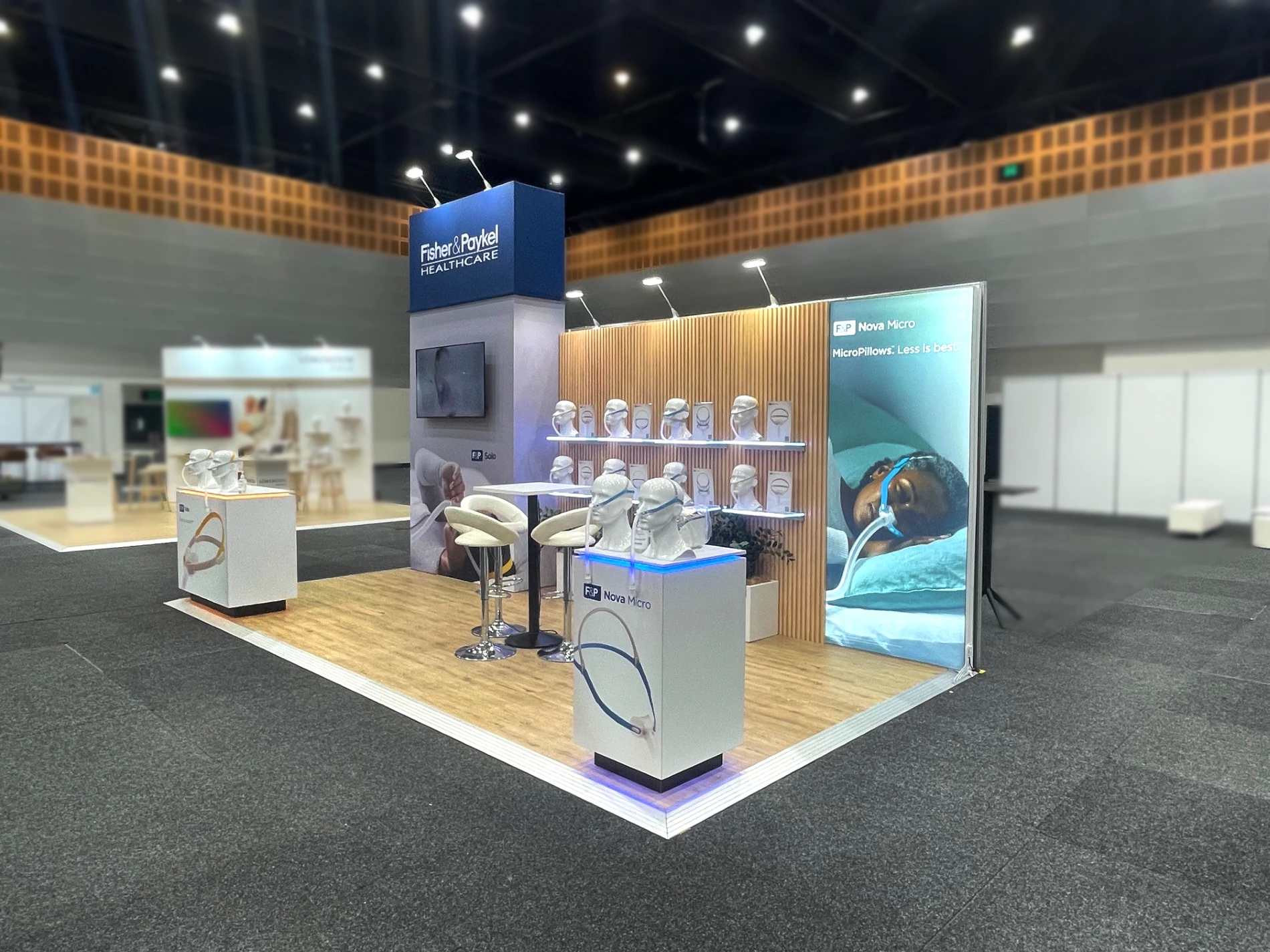
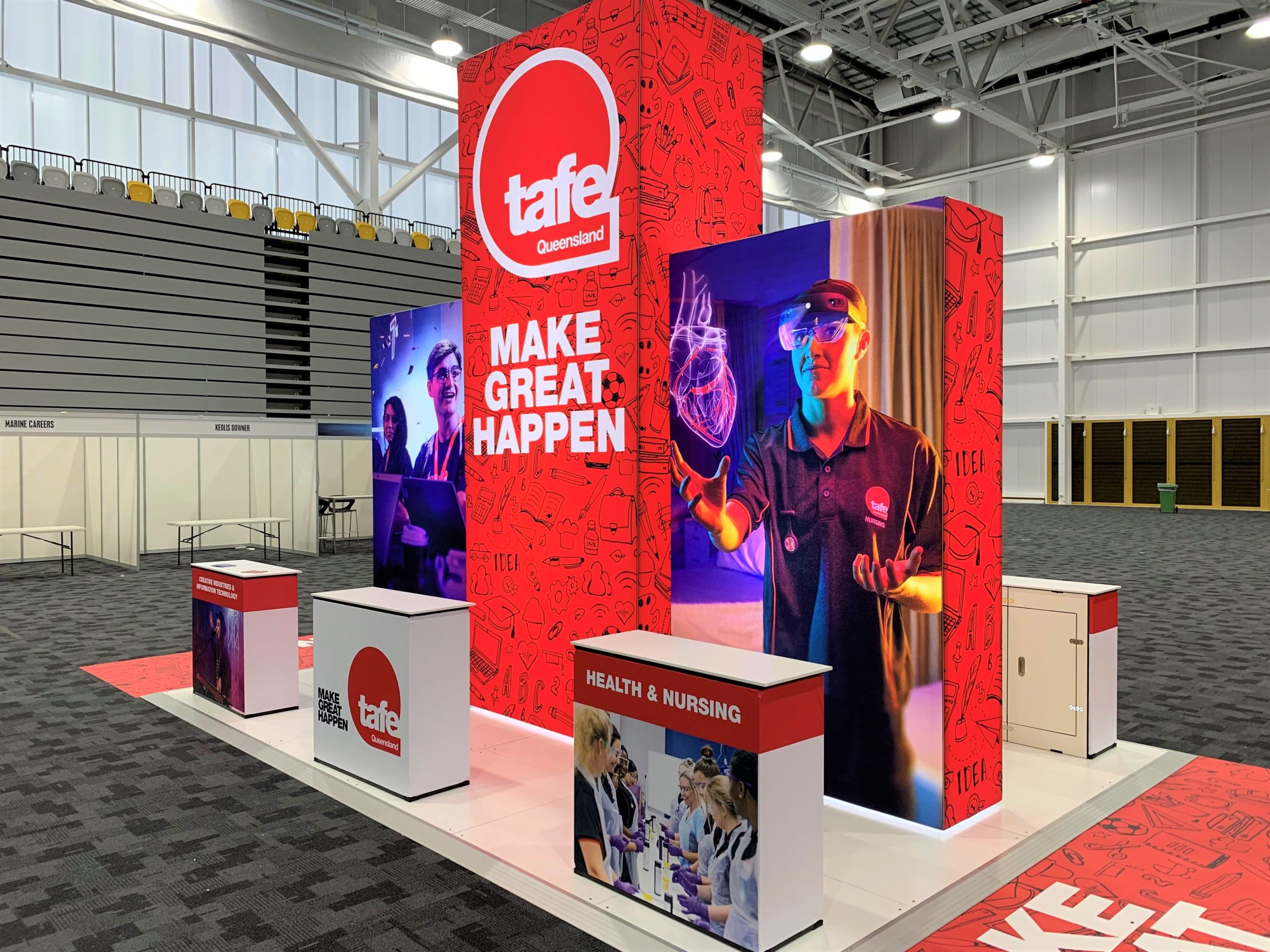
Beyond 3x3 and 6x3
3x3 and 6x3 cover most exhibitors, but they're not the only sizes out there. You'll also come across:
- 2x2 or 3x2 - great for regional events or when budget's tight
- 6x6 - an island-style stand with access from all sides, popular with brands wanting a bigger statement
- 9x3, 9x6 and up - usually reserved for major players, flagship launches, or headline sponsors
- Past a certain size, you're generally moving out of modular/portable territory and into fully custom stand builds designed and constructed specifically around your brand and your space
So, How Do You Actually Pick?
Rather than starting with a size, it's worth stepping back and asking yourself a few honest questions first.
What are you actually trying to achieve? If it's conversations and lead capture, a 3x3 might do the job just fine. If you're demoing products or hosting client meetings on the spot, you'll want the extra room that a 6x3 provides.
How many people are working the stand? Two people can operate comfortably in a 3x3. Add a third or fourth, and things start feeling tight; that's usually the tipping point toward a 6x3.
What's the real budget - floor space and build combined? Bigger stands cost more on both fronts. Talk to your stand builder early, so your design ideas actually match your footprint and your budget, rather than finding out too late that they don't.
What does the venue actually allow? Some venues cap height or restrict structural elements depending on stand size and floor position. Worth confirming before you fall in love with a design.
Do you need storage? Almost everyone underestimates this. Even a small lockable space can be the difference between a smooth day and a stressed one.
When It's Worth Going Custom
Standard sizes are a solid starting point, but they're not compulsory. If you're after something a bit more distinctive, an unusual footprint, a double-storey structure, or a design that genuinely stands apart from the booths either side of you. A custom exhibition stand built around your exact space might be worth the extra investment.
And if you're exhibiting more than once or twice a year, it's also worth considering a modular system that can flex between a 3x3 and 6x3 configuration depending on the event. Often the smartest long-term move, budget-wise.
Still Not Sure? Let's Talk It Through
Honestly, there's no universally "right" size; it comes down to your goals, your team, and the story you want to tell on the day.
With over 40 years building exhibition stands across Australia, we've had this conversation more times than we can count, and we're always happy to help you work out what actually makes sense for your next event.
Get in touch with our team and let's figure out your ideal stand size together.